
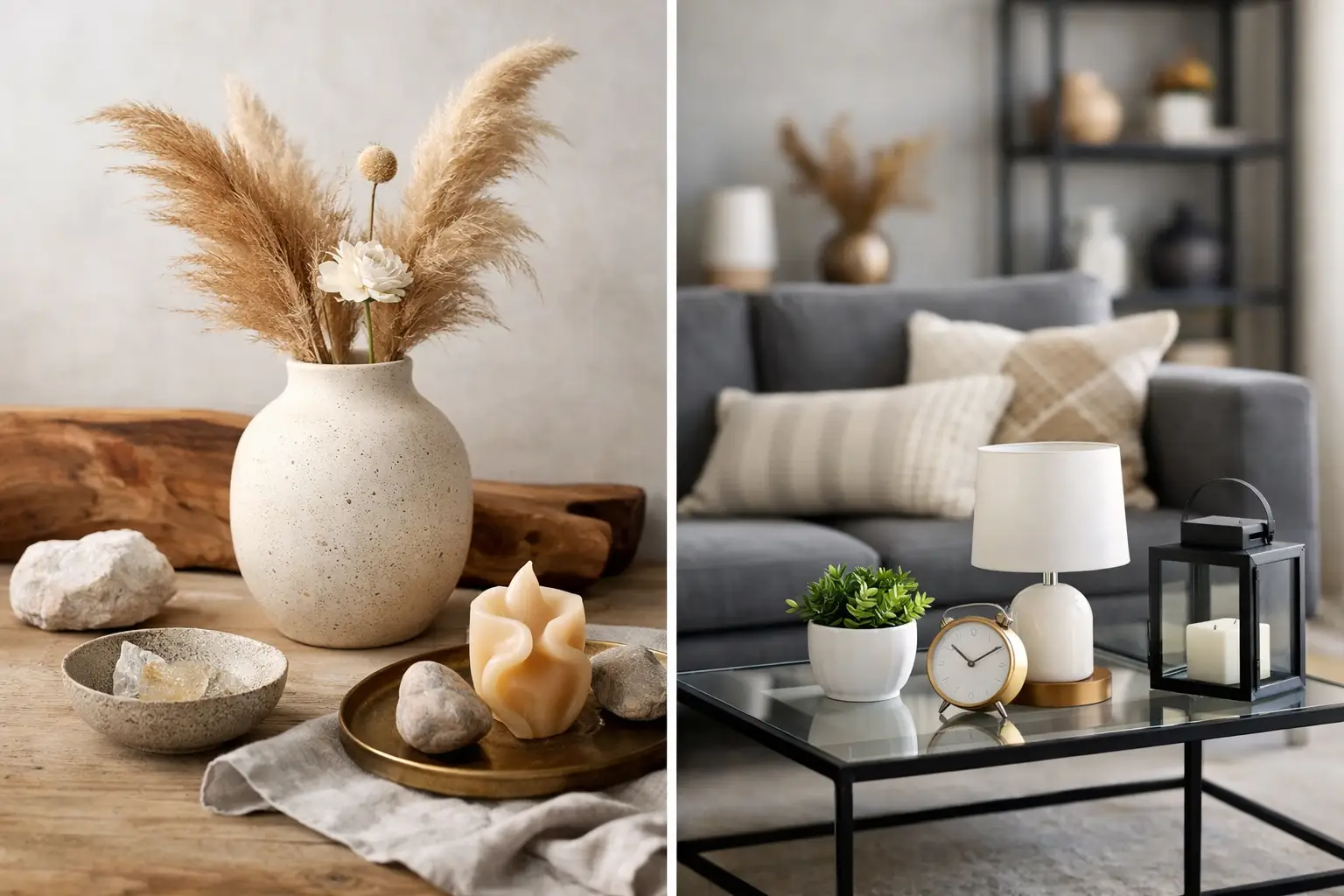
Some rooms look finished, yet never quite feel like home. They may be beautifully styled, neatly colour-matched and full of pieces that follow every current trend, but something is missing. That is often where the question of bespoke homeware vs high street decor begins – not with price, but with feeling.
For many people, decorating is no longer just about filling a shelf or softening a corner. It is about building a space that reflects who you are, what you love and the moments that have shaped you. A framed lyric that takes you back to your first gig. A personalised artwork marking a wedding date. A nostalgic collectable that sparks a story every time someone visits. These things do more than decorate. They hold meaning.
Bespoke homeware vs high street decor – what is the real difference?
At first glance, the contrast seems obvious. High street decor is ready-made, widely available and usually designed to appeal to as many people as possible. Bespoke homeware is created with a specific person, story or space in mind. One is convenient. The other is personal.
But the real difference runs deeper than availability.
High street pieces are often bought because they work. They fit the trend, suit the palette or fill a practical gap. There is nothing inherently wrong with that. A well-made lamp from a trusted retailer can still be a lovely addition to a room. The issue is that high street decor is usually designed for broad appeal, which can leave spaces looking polished but slightly familiar.
Bespoke homeware starts somewhere else entirely. It begins with memory, identity and intention. A custom keepsake or made-to-order artwork is not trying to suit every household. It is made to mean something to one person or one family. That changes the emotional weight of the object from the start.
Why high street decor still has a place
It would be easy to frame this as a simple case of mass-produced versus meaningful, but that would miss the nuance. High street decor has genuine strengths, especially for people who want to refresh a room quickly or are working within a tighter budget.
It is accessible. You can see it, buy it and take it home the same day or wait only a few days for delivery. If you have just moved house, are styling a rental, or need the basics before guests arrive, that convenience matters. High street collections can also be helpful for larger practical purchases where sentiment is less important, such as storage, plain mirrors or functional lighting.
There is also comfort in knowing what you are getting. Measurements, finishes and styling cues are clear. For shoppers who feel overwhelmed by too much choice, that simplicity can be reassuring.
The trade-off is individuality. Once a piece is produced at scale, it naturally loses some of its sense of rarity. You may see the same vase, print or cushion in a friend’s home, a café or half your social feed. If your goal is a room with personality, that can start to feel limiting.
Where bespoke homeware earns its value
Bespoke homeware asks you to slow down a little. It is rarely the quickest route, and it is not always the cheapest either. Its value lies in what it carries.
A personalised piece can mark a milestone in a way off-the-shelf decor never quite can. It might celebrate an anniversary, honour a loved one, capture a shared obsession with music, or preserve the atmosphere of a particular era that still means something years later. That emotional connection gives bespoke homeware a staying power many trend-led purchases do not have.
It also allows a home to feel layered rather than staged. Instead of looking like it was assembled from a single seasonal collection, the space begins to tell a richer story. One piece might reference family history, another a favourite city, another a treasured song. The room feels lived-in, but in the best sense – thoughtful, expressive and unmistakably yours.
That is especially true for people who collect with their heart as much as their eye. Nostalgic artwork, commemorative keepsakes and one-of-a-kind decor do not simply match a sofa. They invite memory back into the room.
Bespoke homeware vs high street decor on cost
Price is often the first practical concern, and fairly so. High street decor usually wins on upfront affordability. Large retailers can produce at volume, which helps keep costs lower. If you need multiple items at once, that makes a difference.
Bespoke homeware tends to cost more because you are paying for originality, time and creative skill. There may be collaboration involved. Materials may be chosen with more care. The result is made in smaller quantities or as a complete one-off. That higher price is not just about the object itself but the thought and artistry behind it.
Still, cost should be judged over time, not only at checkout. A cheaper trend piece that feels dated within a year may not be better value than a bespoke item you treasure for a decade. The more meaning a piece carries, the less likely it is to be replaced simply because fashions change.
This is where it depends on your priorities. If you are decorating a whole home from scratch, high street staples may help you create a foundation. If you are looking for pieces that anchor a room and make it memorable, bespoke often gives more lasting return.
Character, memory and the feeling of home
The strongest argument for bespoke homeware is not exclusivity for its own sake. It is emotional truth.
Homes tend to feel warmest when they reflect the people living in them. Not just their taste, but their history. The albums they played on repeat. The places they have loved. The milestones they want to honour rather than pack away in a drawer. Bespoke decor has a special way of turning those invisible parts of life into something visible and beautiful.
A high street print may complement your wall colour. A custom artwork inspired by a song, a date or a memory can stop you in your tracks every time you pass it. One helps style a room. The other helps define it.
That difference matters because our homes are not showrooms. They are where we return after ordinary days and extraordinary ones. They are where stories are retold over tea, where children notice old treasures on shelves, where visitors ask, “Where did you find that?” and end up hearing something meaningful in reply.
How to choose what is right for your space
The answer is rarely all bespoke or all high street. Most homes benefit from a blend.
Use high street decor for the practical framework – the pieces that support everyday living without needing a personal backstory. Then choose bespoke items for the moments you want to hold onto. A statement artwork above the mantel. A personalised keepsake on a bookshelf. A music-inspired piece in the room where you unwind. These are often the details people remember most.
It helps to ask a simple question before buying anything: will this still matter to me once the trend has passed? If the answer is no, it may still be worth buying if it serves a purpose and fits your budget. But if the answer is yes, you may be looking at something with lasting emotional value.
Another useful way to decide is to think about what your home is currently missing. If it feels bare, you may need functional decor first. If it feels tidy but impersonal, bespoke additions can bring soul into the space surprisingly quickly.
For gift buyers, the balance shifts even more towards bespoke. A candle or standard print can be lovely, but a custom piece that reflects someone’s memories, passions or milestones often lands with deeper significance. It says you noticed. You remembered. You chose something with their story in mind.
When bespoke becomes part of your story
There is something quietly powerful about owning an object that could not belong to anyone else in quite the same way. Not because it is expensive or rare, but because it was made with your story at its centre.
That is the beauty of bespoke homeware. It turns decoration into connection. It allows creativity to meet memory, and style to meet sentiment. For brands such as RUhavinit?, that meeting point is where a house begins to feel more personal, more expressive and more alive with meaning.
High street decor will always have its place. It is useful, accessible and often beautifully designed. But if you want your home to say something real about who you are, bespoke pieces can do what off-the-shelf styling rarely manages. They can hold a moment still.
When you choose decor, you are not only choosing how a room looks. You are choosing what it remembers.
Leave a Reply