
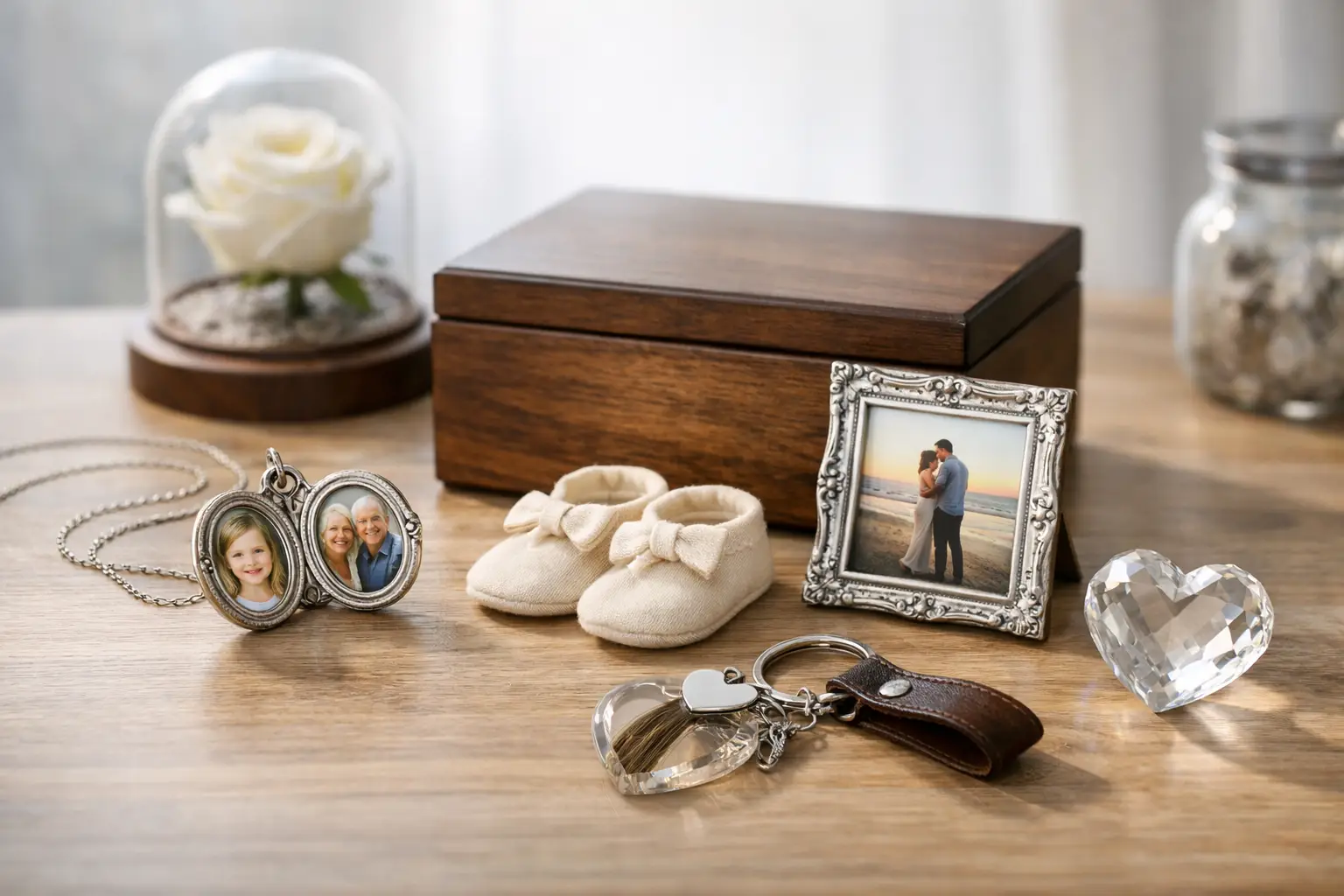
Some pieces do more than fill a shelf. They hold a song from a first dance, the mood of a childhood sitting room, the thrill of a gig ticket kept safe for years, or the quiet weight of a name, a date, a place that changed everything. That is where a guide to bespoke keepsakes begins – not with shopping, but with memory.
A bespoke keepsake is never just about personalisation for its own sake. It is about turning something felt into something tangible. The best pieces carry a sense of recognition. You look at them and think, yes, that is ours. That is me. That is the moment.
What makes a keepsake truly bespoke?
There is a real difference between an item with a name added to it and a keepsake shaped around a story. Personalised can be surface level. Bespoke goes deeper. It reflects the person, the memory, the era, the music, the home, or the milestone in a way that feels considered rather than generic.
That might mean artwork built around the details of a wedding song rather than simply printing the date. It could be a nostalgic home piece that captures the character of a beloved decade, a family tradition, or a local place with emotional pull. Sometimes the most powerful keepsakes are not the grandest. They are the ones with the clearest connection.
This is why bespoke work often feels more lasting than trend-led gifting. Trends move on. Meaning does not. A well-made keepsake can grow with a home and still feel relevant years later because it was never chosen to impress strangers. It was chosen to honour something personal.
A guide to bespoke keepsakes for different moments
Not every memory wants to be preserved in the same way. The right format depends on the feeling you want to hold on to.
For life milestones, people often lean towards pieces that mark a date or turning point – weddings, anniversaries, new homes, new babies, retirements, landmark birthdays. These keepsakes work best when they avoid clichés and say something more specific. A house portrait that includes the little details you would miss after moving. A music-inspired print tied to the song that played at a key moment. A commemorative artwork that captures the atmosphere of the day rather than just its facts.
For hobbies and passions, the emotional centre is often identity. Music lovers, collectors and nostalgia seekers usually want something that feels like an extension of themselves. A bespoke keepsake here might celebrate a favourite artist, a treasured era, a collector’s obsession, or the culture around a certain scene. The charm lies in knowing it was made for someone with a particular point of view, not for a mass audience.
For memorial and remembrance pieces, sensitivity matters most. These keepsakes are not there to make loss neat or tidy. They are there to offer presence. A thoughtful design can honour someone gently through colour, imagery, lyrics, place names or symbols that meant something only to those closest to them. The quieter the approach, the more powerful it can be.
For gifts, the question is slightly different. Instead of asking what happened, ask what this person returns to. What do they talk about without being prompted? What era lights them up? Which room in their home tells you who they are? The best gift keepsakes feel observant. They show that someone has paid attention.
Start with the story, not the object
When people begin looking for a bespoke piece, they often start by deciding on the item first – a print, a plaque, a framed piece, a decorative object. That can work, but it is usually more rewarding to start with the story.
Think about the memory in practical and emotional terms. What actually happened? Where were you? What did it sound like? What details have lasted? Then ask what feeling you want the piece to carry now. Joy, comfort, pride, gratitude, nostalgia, celebration – each one suggests a different creative direction.
A keepsake for a lively family kitchen may suit something bold, playful and full of character. A remembrance piece for a bedroom or reading nook may call for softer tones and a more understated finish. There is no single right answer. It depends on how you want the memory to live in the space.
This is often where bespoke commissions become especially meaningful. The conversation around the piece can reveal details you had not realised mattered – the old record player in the corner, the handwriting on a note, the wallpaper in a childhood home, the train journey that became part of the ritual. Those details turn a nice idea into something unmistakably personal.
Choosing materials, style and scale
Emotion leads the process, but the physical form still matters. A keepsake should suit both the story and the setting.
If the piece is for display in the home, think about how it will sit with the room. Some memories deserve centre stage. Others feel more intimate when placed somewhere private. A bold music-themed artwork may belong in a hallway or lounge where it can spark conversation. A small commemorative object may be more at home on a bedside table or bookshelf.
Style also changes the mood. Vintage-inspired finishes can heighten a sense of nostalgia, while cleaner contemporary lines may suit a milestone you want to honour in a fresher way. Neither is better. The question is whether the visual style supports the memory rather than overpowering it.
Material choice brings its own trade-offs. A delicate paper artwork can feel beautifully personal and refined, but it may need careful framing and placement. A sturdier decorative piece may suit everyday living better, especially in busy family homes. The most successful bespoke keepsakes balance beauty with real life. They are made to be lived with, not hidden away out of fear.
Why specificity matters more than extravagance
There is a temptation to make bespoke gifts bigger, fuller and more elaborate in order to prove their value. Often, the opposite is true. The strongest keepsakes tend to be specific rather than extravagant.
One line from a song can say more than an entire lyric sheet. A single meaningful location can hold more emotion than a collage of ten landmarks. A carefully chosen date, texture or object can carry a story with more elegance than adding every possible detail.
This matters because keepsakes are not simply records. They are interpretations. They do not need to explain everything to everyone. In fact, some of their beauty comes from what they quietly imply. A guest might admire the piece for its artistry, while the person who owns it understands the memory underneath.
That layered quality is often what makes bespoke work feel timeless. It can speak publicly and privately at once.
The value of collaboration in bespoke design
The most memorable bespoke pieces rarely appear fully formed from a standard order box. They come from collaboration – a back and forth between idea, memory and maker.
That does not mean the process needs to be complicated. It simply means there is room for interpretation. You bring the story, the references, the fragments of memory. The creative maker brings their eye for composition, balance, materials and mood. Somewhere in the middle, the keepsake becomes more than either side first imagined.
This is especially valuable when the memory feels hard to describe. You may only have a few clues – a favourite band, a treasured phrase, a room in a certain shade of green, a parent who loved seaside towns, a grandad known for his records and stories. A thoughtful creative process can gather those fragments and shape them into something coherent and moving.
That spirit of collaboration is what makes bespoke keepsakes feel so different from off-the-shelf gifting. They are not picked from a trend cycle. They are developed with care.
A guide to bespoke keepsakes that last emotionally
Longevity is not only about craftsmanship. It is also about emotional staying power. A keepsake lasts when it still feels true after the occasion has passed.
This is why it helps to resist novelty for novelty’s sake. Ask whether the piece will still resonate in five years, or whether it only suits the mood of the moment. There is nothing wrong with humour or whimsy if that genuinely reflects the person. But lasting pieces tend to have a strong emotional anchor beneath the style.
It also helps to think beyond gifting day. Where will it live? How often will it be seen? Will it feel woven into daily life, or packed away after the event? The best keepsakes earn their place in a home. They become part of the visual story of living there.
For people drawn to nostalgia, music, collectables and story-rich interiors, this is where bespoke pieces come into their own. They create homes that feel inhabited by memory rather than simply decorated. Brands such as RUhavinit? understand that difference. A keepsake is not filler. It is atmosphere, identity and history in physical form.
If you are choosing or commissioning one, trust the details that keep returning to you. The song. The date. The place. The object nobody else would think to include. Meaning rarely arrives with fanfare. More often, it appears in a small remembered detail and asks to be kept close.
Leave a Reply