
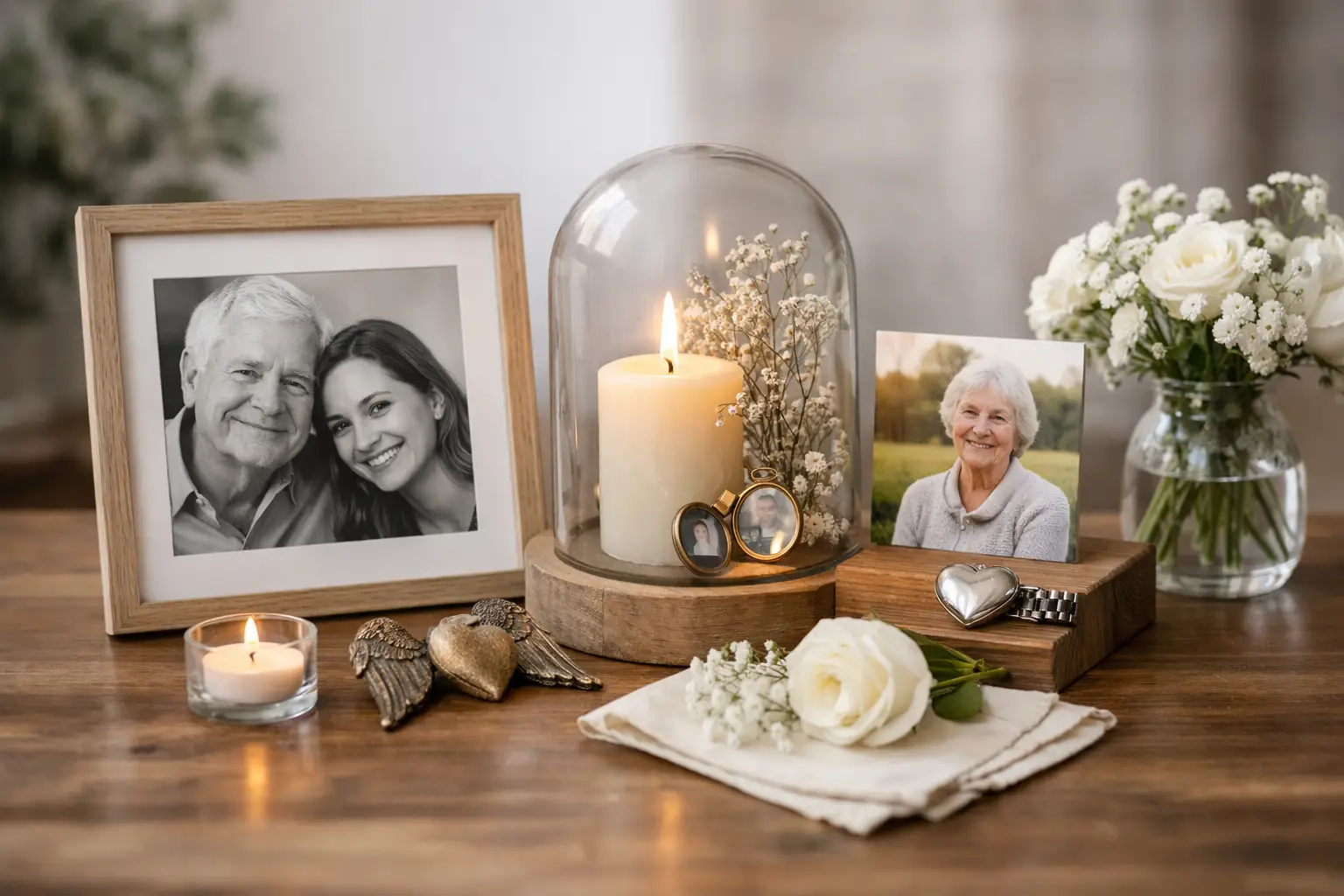
Some memories deserve more than a drawer, a phone album, or a box tucked in the loft. When you create personalised remembrance display pieces for your home, you give those moments a place to breathe – somewhere visible, beautiful, and quietly full of meaning.
That could be a tribute to someone dearly missed, a way to honour a beloved pet, or a celebration of a life chapter you never want to lose sight of. The most moving displays are not the grandest ones. They are the ones that feel true.
Why a personalised remembrance display matters
A remembrance display is not simply décor. It is a conversation between the past and the present. It lets memory live alongside daily life, whether that means a framed song lyric that brings someone back instantly, a collection of keepsakes arranged on a shelf, or a bespoke piece of artwork built around dates, names, places, and symbols that still matter.
There is comfort in that kind of presence. Not everyone wants remembrance to feel formal or sombre. For many people, it feels warmer to create something that reflects personality, humour, style, or shared passions. A display can be tender without feeling heavy. It can honour loss, celebrate love, and still sit beautifully within your home.
That balance matters. If a piece feels too clinical, it may never feel personal. If it feels too cluttered, the emotional detail can get lost. The aim is to create something that carries heart while still feeling thoughtfully put together.
Start with the story, not the objects
Before choosing frames, colours, or layout, pause at the story itself. Who or what are you remembering, and what feeling do you want the display to hold? That question shapes everything that follows.
Sometimes the answer is obvious. You may want the display to feel comforting and reflective. Other times, the right mood is joyful, musical, playful, or proud. A remembrance piece for a grandparent who adored gardening will naturally look different from one celebrating a first dance song, a treasured concert memory, or the life of a dog who ruled the house.
When the story comes first, the display avoids becoming a random collection of items. Instead, every element earns its place. A ticket stub, a handwritten note, an old photograph, a favourite quote, even a colour palette connected to a person or period of life – these details start to work together as one expression.
How to create personalised remembrance display pieces with meaning
The most effective way to build a display is to choose one anchor piece and let everything else support it. That anchor might be a personalised print, a framed image, a memorial plaque, an engraved keepsake box, or a custom artwork designed around a song, date, or message.
Using one central piece gives the display focus. It also helps if you are working with a small space, such as a side table, hallway shelf, bookcase, or bedroom wall. Not every remembrance display needs an entire mantelpiece. Some of the loveliest ones are intimate and understated.
From there, think in layers. A framed piece can sit behind a smaller object. A candle, vase, dried flowers, or treasured collectable can soften the look. If music played a huge part in the memory, lyrics or a record-inspired element can bring that instantly recognisable emotional pull. If the display is about shared family history, older textures, sepia tones, and heritage-inspired details may feel more fitting.
It depends on the memory. Some stories ask for quiet simplicity. Others deserve a little more personality.
Choosing items that feel personal, not performative
There is a difference between meaningful and overdone. A personalised remembrance display should feel like an extension of the life, relationship, or moment it represents – not a staged idea of sentiment.
That means editing matters. If you include every possible keepsake, the display can start to feel crowded rather than considered. Choose the items that carry genuine emotional weight. The objects do not need to be expensive or rare. Often, the most affecting pieces are ordinary things that would mean nothing to anyone else – a pub coaster from a first date, a favourite saying written in familiar handwriting, a pass from a much-loved gig, or a tiny trinket that always sat on the bedside table.
This is where bespoke creativity can make all the difference. Instead of forcing delicate originals into a display, you can interpret them through art. A message can become typography. A photograph can inspire a custom print. A collection of small references can be brought together into one cohesive keepsake. For many people, that feels easier to live with day to day than a display made entirely of fragile or irreplaceable objects.
Style it so it belongs in your home
A remembrance display should not feel separate from the room around it unless you want it to. In many homes, the most successful pieces are the ones that blend memory with style.
Think about the existing mood of your space. If your home leans soft and neutral, gentle tones and natural materials may feel right. If you love bolder styling, richer colours, metallic accents, or music-inspired statement pieces can still work beautifully. The personal story should lead, but your home should still recognise itself in the finished result.
Placement matters too. A private remembrance display in a bedroom or study creates a different feeling from one in a hallway or living area. Neither is better. It simply depends on whether you want the memory to be quietly personal or part of the daily rhythm of the home.
Light can shape the atmosphere more than people expect. Natural light brings softness to photographs and artwork, while lamplight can make a display feel intimate in the evening. If an item is light-sensitive or delicate, though, it is worth avoiding direct sun. Sentiment and practicality need to work together.
Create personalised remembrance display ideas for different memories
Not every remembrance display is about bereavement. Remembrance can also mean honouring a chapter, a milestone, or a connection you want to keep close.
A memorial display for a loved one may centre on portrait artwork, meaningful words, and objects that reflect their personality. A music-themed remembrance piece could celebrate a song that defined a relationship, a vinyl era that shaped someone’s identity, or a live performance tied to a life-changing moment. A family history display might gather names, dates, heirloom references, and nostalgic imagery into one visual story.
For pet remembrance, many people prefer warmth over formality. A favourite toy, paw print, collar tag, or custom illustration can create something deeply touching without feeling overly solemn. For anniversaries and life milestones, the display can lean more celebratory – preserving the memory of a wedding, a first home, a new arrival, or a moment that changed everything.
That flexibility is what makes personalised remembrance so special. It does not have to fit one mood or one tradition. It just has to feel honest.
When bespoke is the better choice
There are times when ready-made pieces work perfectly well. If you already have a clear idea and the right objects, a simple arrangement may be enough. But if the memory feels layered, highly specific, or hard to express, bespoke design can help turn scattered feelings into something tangible.
That is especially true when you want to combine different references into one display without making it look disjointed. A custom piece can weave together names, lyrics, dates, locations, colours, hobbies, or symbols in a way that feels elegant rather than busy. It gives shape to the story.
For people who are creating a remembrance display as a gift, bespoke work often feels more thoughtful too. It shows care, not just purchase. It says this was made with this person, this life, this memory in mind.
Brands such as RUhavinit? sit naturally within that space because they understand that a keepsake is never just an object. It is memory made visible.
Let the display grow over time
One of the loveliest things about remembrance displays is that they do not have to be finished all at once. You can begin with one piece that matters deeply and allow the story to build gradually.
That often feels more natural than trying to perfect everything in a single afternoon. Memories change shape as time passes. What feels right in the first year may not be what feels right later. You may want to add a new photograph, swap a seasonal touch, or commission something more bespoke when the moment feels right.
There is no rule that says remembrance must stay fixed. In fact, allowing a display to evolve can make it feel even more alive.
If you are about to create something of your own, trust the details that pull at your heart a little. They are usually the right place to begin.
Leave a Reply