
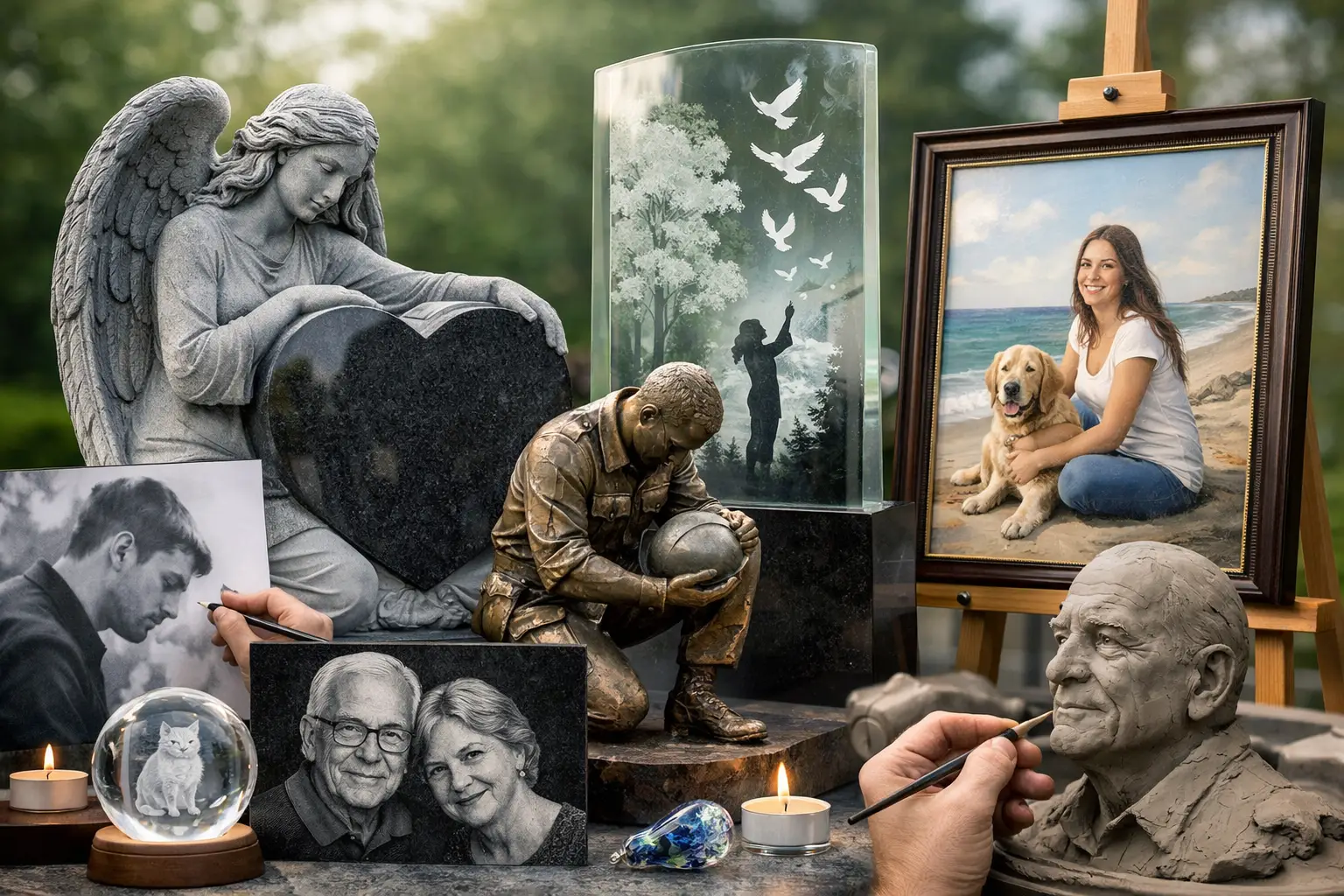
Some memories live in a frame better than they ever could in a drawer. That is often the heart of memorial artwork commission examples – taking something deeply personal, whether a face, a song, a handwritten note or a place, and giving it a lasting presence in the home. Not grand for the sake of it. Just meaningful, beautiful, and true to the person being remembered.
When people think about memorial art, they sometimes picture something formal or sombre. It can be that, if that feels right. But it can also be warm, characterful and full of life. A memorial piece might honour a parent with elegance, celebrate a beloved pet with playfulness, or capture a shared song that still stops you in your tracks. The best commissions do not simply mark a loss. They preserve a connection.
Why memorial artwork commission examples matter
Looking through memorial artwork commission examples can be surprisingly reassuring. It helps people move from a vague feeling of, I want something special, to a clearer sense of shape, mood and style. That matters because grief and remembrance are personal. There is no single right format, only what feels honest.
Examples also reveal the range available. Some commissions centre on likeness. Others focus on symbolism, treasured objects or little details only family would recognise. A teacup, a football scarf, a favourite record sleeve, a garden bench, a line from a letter – these can carry as much emotional weight as a portrait.
That is especially valuable if you want the artwork to sit naturally in your home. A memorial piece does not need to look separate from your style. It can blend with your décor, echo your colours, and feel like part of everyday life rather than something reserved for difficult moments.
Memorial artwork commission examples for different kinds of memory
1. Portraits that feel personal, not posed
A painted or illustrated portrait remains one of the most timeless choices. But the strongest memorial portraits usually avoid looking too stiff. Rather than copying a formal photograph exactly, many artists create from a favourite candid image – a laugh caught mid-moment, a familiar expression, a look that family instantly recognises.
This works beautifully for parents, grandparents, partners and close friends. It can be realistic or softly stylised, depending on taste. The trade-off is that realism often depends heavily on the quality of the photo reference, while a more interpretive style can allow warmth and atmosphere even if the image is older or imperfect.
2. Pet memorial pieces with character
For many households, pets are family in every sense. Memorial commissions for dogs, cats and other beloved companions often carry a different emotional tone from human portraits. They tend to lean into personality – bright eyes, favourite toys, a particular pose by the door, that unmistakable look at walk time or dinner time.
Some people prefer a classic portrait. Others want something gentler and more decorative, perhaps with floral elements, the pet’s name, or a background inspired by favourite walking spots. The most touching examples do not just capture appearance. They capture presence.
3. House and garden illustrations
Sometimes the memory sits in a place. A family home, a grandparent’s garden, a seaside bungalow visited every summer, the allotment shed where someone spent half their weekends – these settings can hold a lifetime.
Commissioning artwork of a meaningful place is often ideal for families who want something commemorative without focusing on a face. It can also be easier when good photographs of the person are limited. A home portrait has quiet power. It honours routine, belonging and the ordinary details that become precious later.
4. Handwriting turned into art
One of the most moving memorial artwork commission examples is built around handwriting. A short note, a signature on a birthday card, a line from an old letter, even a shopping list can become the centre of a piece. There is something intimate about seeing the marks of someone’s hand preserved visually.
This kind of commission can be simple or layered. Some people choose a clean typographic layout with the original writing featured prominently. Others pair it with illustration, pressed-flower styling, or a painted background in colours that suit the room. It is understated, but often deeply affecting.
5. Song lyric and music-inspired memorial art
Music has a way of fixing memory in place. A first dance song, a track always playing in the kitchen, a lyric that sums up someone’s spirit – these can all form the basis of memorial artwork. For music lovers especially, this feels less like decoration and more like a continuation of identity.
Examples might include framed lyric artwork, an illustrated record-inspired piece, or a design built around a meaningful concert date and song title. This style suits people who want to honour joy, taste and personality rather than only grief. It can be subtle enough to sit in a living room and still hold enormous feeling.
6. Object-based commissions
A pair of reading glasses. A workbench tool. A favourite mug. A military medal. A scarf worn to every match. Everyday objects can become powerful memorial subjects because they carry the shape of a life.
This route often appeals to those who want symbolism without anything overly obvious. It invites storytelling. Visitors may see a beautifully composed artwork, while the family sees a hundred memories tucked inside it. That balance can be comforting.
7. Family tree and generational pieces
Some memorial commissions are less about one individual and more about lineage. A family tree, illustrated in a thoughtful and artistic way, can honour loved ones who are no longer here while celebrating the family they shaped.
These pieces work well for milestone birthdays, anniversaries and remembrance gifts shared across generations. The challenge is keeping them visually elegant rather than cluttered, so careful composition matters. A restrained design often has more emotional room to breathe.
8. Combined memory collages
When one photo or symbol is not enough, a collage commission can bring several elements together. This might include a portrait, handwritten text, meaningful dates, a pet, a favourite place and a few small personal references woven into one artwork.
Done well, this style feels rich and layered. Done badly, it can feel crowded. The difference lies in editing. The best memorial collage pieces choose details with intention rather than trying to include every memory at once.
9. Floral and symbolic artwork
Not every commission needs direct representation. Some people prefer artwork built around flowers, birds, stars, coastal scenes or colour palettes associated with someone they miss. This can be especially fitting when the goal is comfort rather than likeness.
Symbolic memorial pieces tend to feel softer in the home. They can be easier to gift, too, because they leave space for interpretation. If the recipient is private in their grief, this approach may feel more supportive than a highly literal portrait.
10. Memorial pieces for a child or baby
These commissions require particular sensitivity. They are often quieter in tone, with delicate details such as names, dates, stars, moon imagery, soft florals or nursery-inspired illustration. Less is usually more.
The most meaningful examples create tenderness without overworking the piece. Gentle colour, thoughtful spacing and a sense of calm matter here. It is not about filling the frame. It is about holding a small life with care.
11. Venue and landmark memorial art
A church where a wedding took place, a music venue tied to years of gigs, a local pub, a favourite seaside pier – landmarks can become memorial anchors too. They speak to community and ritual, to the places where someone felt most themselves.
This kind of commission suits people whose memories are tied to shared experiences. It also makes a lovely family gift, because several people can connect to the same location from different angles.
12. Mixed-media keepsake artwork
Some of the most distinctive memorial commissions combine illustration with physical elements, such as reproduced handwriting, scanned fabric patterns, old photographs or printed ephemera. These pieces feel layered in both look and meaning.
There is a tactile quality to mixed-media memorial work that can feel especially close to memory. It is worth remembering, though, that more materials and customisation often mean a longer lead time and a more involved creative process. For many people, that extra thought is part of the value.
How to choose the right memorial artwork commission example for your story
The right commission starts with the memory itself. Ask what you miss most vividly. Is it a face, a voice, a home, a habit, a song, an object always left on the side table? The answer often points you towards the right artistic direction.
It also helps to think about where the finished piece will live. A hallway, bedroom or sitting room may call for different moods and sizes. Some people want a statement piece that becomes a talking point. Others want something intimate they can pass every day and feel quietly connected to.
Style matters too. If your home leans modern, a clean and minimal commission may feel more natural than something ornate. If you love vintage details, layered texture and nostalgic references might suit better. A memorial artwork should feel like it belongs with your life now, not only with the past.
At RUhavinit?, that is often the beauty of bespoke creativity. The piece becomes more than a tribute. It becomes part of your story at home.
What makes a memorial commission feel lasting
The most enduring memorial art rarely tries to say everything. It chooses the right detail and lets that detail carry the emotion. A familiar phrase. A record sleeve. A beloved pet’s expression. The gate to a childhood garden. These fragments can hold an extraordinary amount.
That is why the most compelling memorial artwork commission examples are not always the most elaborate. They are the ones that feel specific. Honest. Full of the little truths that made someone irreplaceable.
If you are considering a commission, trust the memory that returns first. The image, place or object that keeps coming back usually has something to say. Start there, and the artwork has every chance of becoming not just a reminder of loss, but a beautiful way to keep love present.
Leave a Reply