
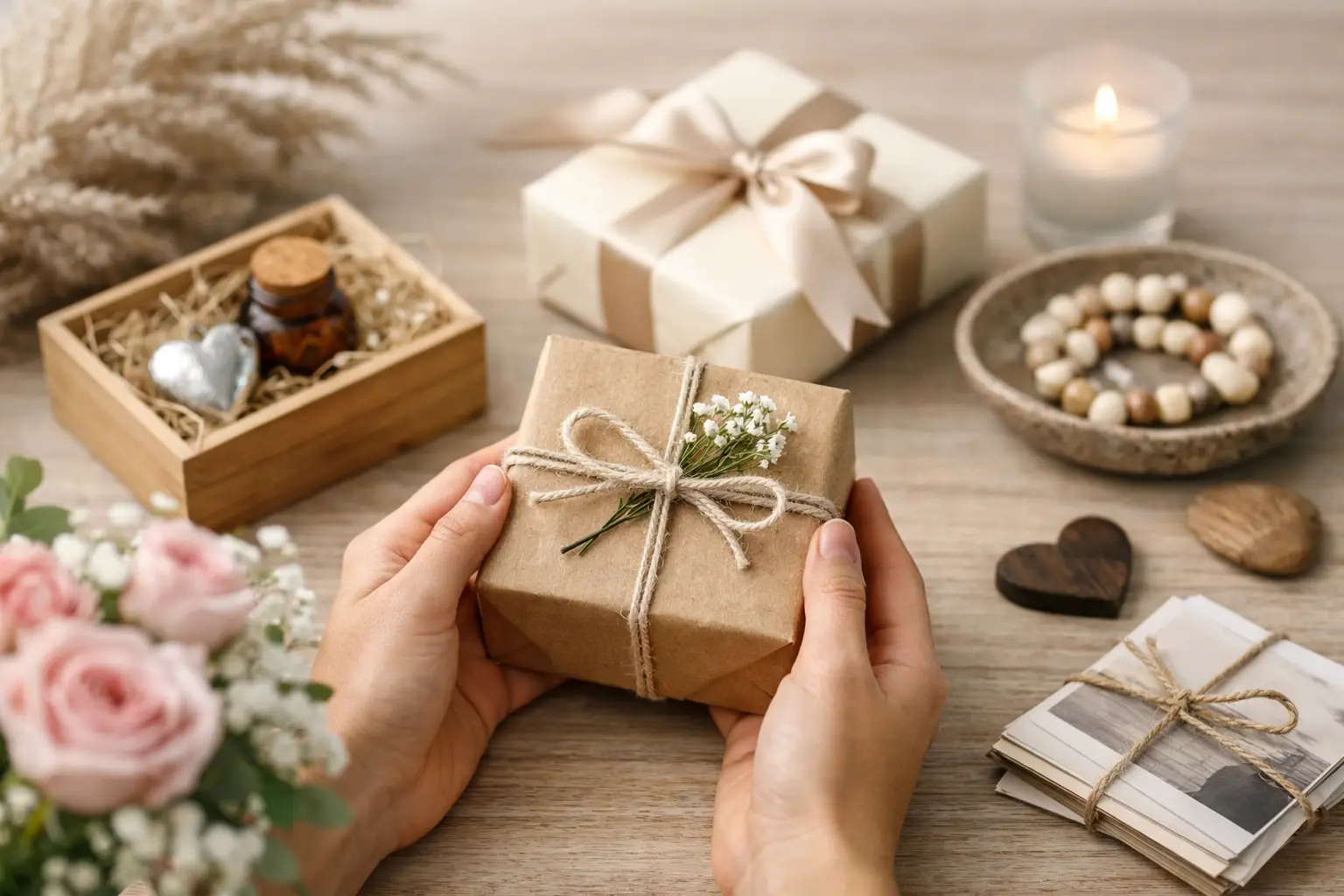
The best gifts are rarely the loudest ones. They are the ticket stub framed on a hallway wall, the print that brings back a first dance, the keepsake that makes someone stop mid-sentence and smile. A true guide to meaningful gift buying starts there – not with price, pressure or trends, but with memory.
When a present feels personal, it stays. It becomes part of a home, part of a story, sometimes even part of a family ritual. That is the difference between buying something pleasant and choosing something that will still matter years from now. Meaningful gift buying is less about getting it perfect and more about noticing what makes a person who they are.
What meaningful gift buying really means
A meaningful gift does not have to be lavish, handmade or dramatic. It simply needs to feel connected. Connected to a moment, a passion, a place, a joke only the two of you understand, or a chapter of life someone never wants to forget.
That is why the most memorable gifts often come from paying attention to the details people repeat without realising. The band they always go back to. The city where everything changed for them. The era of décor they are quietly collecting. The photograph they never stop mentioning. These are not shopping clues in the usual sense. They are pieces of identity.
There is also a quiet confidence in giving something that reflects a person rather than a generic occasion. Birthdays, anniversaries and housewarmings can all blur into the same candles, bottles and boxed sets. A thoughtful keepsake interrupts that pattern. It says, I know what matters to you.
A guide to meaningful gift buying begins with observation
Before you look at products, look at the person. Not in a grand psychological way, just honestly. What do they display in their home? What songs do they still play from their teenage years? What stories come up at every family gathering? What objects do they keep, even when they no longer serve a practical purpose?
Meaning often lives in these repeated details. Someone who fills their shelves with vinyl, gig mementoes and old photographs is telling you that music and nostalgia shape how they remember their life. Someone who treasures family recipes, local history or travel keepsakes may be more moved by a gift that anchors them to place and heritage.
This is where many people go wrong. They buy for the event rather than the individual. A wedding gift becomes a box to tick. A birthday gift becomes something fashionable enough to pass. But the gifts that endure usually feel as if they could only have been chosen for that one person.
Start with the story, not the product
If you are unsure where to begin, ask yourself one simple question: what story could this gift hold?
A personalised artwork might honour the song that soundtracked a relationship. A nostalgic collectible might bring back a childhood Saturday. A bespoke piece for the home might mark a milestone that deserves more than a fleeting celebration. The object matters, of course, but the emotional thread matters more.
This shift changes how you shop. Instead of searching for “a gift for Dad” or “something for a music lover”, you start searching for ways to represent a life, a memory or a feeling. That is when gift buying becomes more creative and more generous.
It also helps you avoid the trap of buying novelty for the sake of novelty. Something can be quirky and still feel empty. Something can be beautifully made and still miss the person entirely. Story is what gives an item weight.
When personalisation adds meaning, and when it does not
Personalisation can be wonderful, but only when it deepens the gift rather than decorating it. Adding a name to an ordinary item is not always enough. Adding a significant date, lyric, location or visual reference that stirs real memory is something else entirely.
The difference is subtle but important. A personalised gift should feel interpretive, not mechanical. It should say something about the person, not simply label the object as theirs.
Sometimes the right choice is full bespoke work, especially for major moments such as anniversaries, memorial pieces, milestone birthdays or retirement gifts. Other times, a carefully chosen ready-made piece with emotional relevance will feel more natural. It depends on the person. Some love deeply customised keepsakes. Others prefer something evocative but understated.
The aim is not to personalise everything. The aim is to make the gift feel impossible to confuse with anyone else’s.
The role of nostalgia in meaningful gifts
Nostalgia is often misunderstood as looking backwards. In reality, it is one of the strongest ways people make sense of who they are now. A gift that taps into a cherished decade, favourite artist, family tradition or historical moment can feel unexpectedly powerful because it reconnects someone with a version of themselves they still carry.
That is especially true at life stages when people are reflecting more – moving home, becoming parents, reaching a milestone age, or grieving someone important. During those moments, gifts that hold memory can feel grounding.
Still, nostalgia works best when it is specific. A vague retro feel is pleasant enough. A piece that speaks directly to someone’s own history is where the feeling lives. The most affecting gifts do not just remind people of “the past”. They remind them of their past.
How to avoid gifts that feel generic
If a present could easily be given to five other people in your life, it may not be meaningful enough for the moment. That does not mean every gift needs to be extraordinary, but it should carry some clear sense of why this person and why now.
One useful test is to imagine handing over the gift without explanation. Would they instantly understand the connection? If not, the meaning may be too thin. Another test is to ask whether the item suits their space and style. Even sentimental gifts need to belong in someone’s real life. A beautiful object that clashes with everything they love may end up hidden away, no matter how kind the intention.
Taste matters. So does timing. A deeply emotional gift can be perfect for one occasion and too intense for another. Not every birthday calls for tears. Not every commemorative moment needs restraint. Meaningful gift buying is part empathy, part instinct.
A guide to meaningful gift buying for different moments
Some occasions naturally ask for more reflection than others. Anniversaries, memorials, milestone birthdays and weddings often carry enough emotional weight to justify something highly personal and lasting. In those cases, keepsakes, commissioned pieces and memory-led homeware can feel especially right.
For smaller occasions, meaning can be lighter. A print inspired by a favourite song, a collectible linked to a long-held hobby, or a piece that nods to an inside joke can be just as thoughtful without feeling overdone. The gift does not have to carry the whole relationship. It just needs to show that you see it.
Housewarming gifts are an especially lovely opportunity. People are not just furnishing rooms – they are shaping the atmosphere of a new chapter. Gifts that bring warmth, personality and story into a space often outlast more practical choices.
Why meaningful gifts are worth the extra thought
There is a reason people keep some presents for decades and forget others by Boxing Day. Meaningful gifts become woven into everyday life. They are displayed, talked about, revisited and remembered. They gather new significance as time passes.
They also change the experience of giving. Instead of last-minute panic and polite reactions, there is anticipation. Recognition. Sometimes even surprise at how understood someone feels. That kind of exchange cannot be mass-produced.
For brands and makers built around memory, creativity and personal storytelling, this is the heart of the work. It is not simply about offering objects. It is about helping people give shape to feelings that are hard to wrap.
If you are choosing a gift soon, pause before you buy the obvious thing. Think about the song, the era, the photograph, the place, the shelf of treasured objects, the story they always return to. That is often where the right present begins – and where it keeps giving long after the paper is gone.
Leave a Reply