
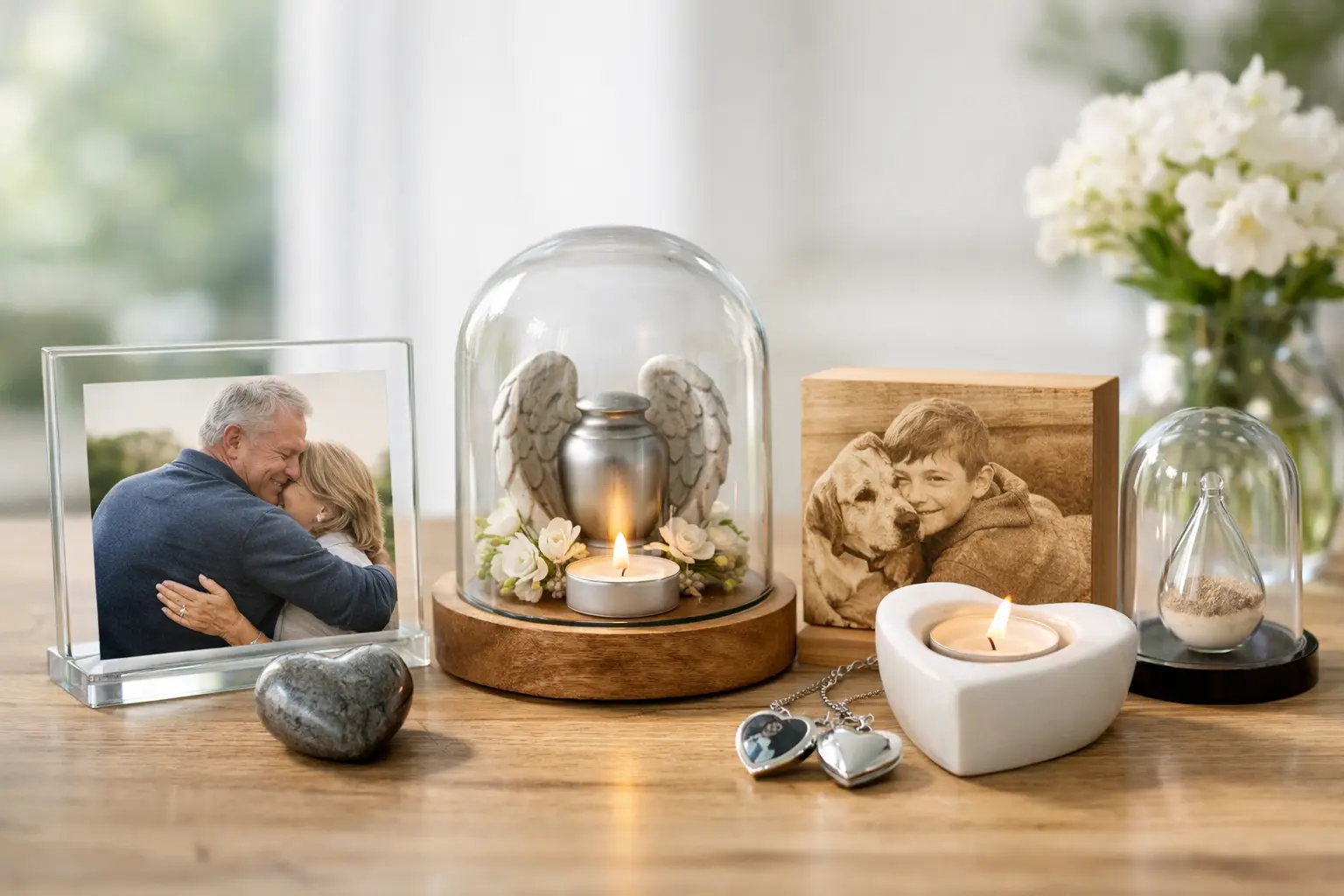
A photograph in a frame can hold a face. A song can bring back a voice. But personalised memorial home accessories do something quietly powerful – they give memory a place to live in the rhythm of everyday home life.
That matters more than many people expect. After loss, the smallest details often carry the deepest comfort: the chair they always chose, the flowers they loved, the lyric they sang under their breath while making tea. Memorial pieces for the home are not about making grief larger. They are about making love visible in a way that feels gentle, personal and lasting.
Why personalised memorial home accessories matter
There is a world of difference between a generic sympathy item and a piece created around a real person, a real story, a real bond. The right memorial accessory does not simply say someone is missed. It reflects who they were.
That could mean a candle holder engraved with a familiar handwritten note, a cushion stitched with a meaningful date, wall art built around a favourite hymn, or a keepsake ornament inspired by a treasured place. When memory is shaped through colour, texture, wording and design, it becomes more than decoration. It becomes presence.
For many homes, this kind of piece brings balance. Some people want a memorial item to be private and understated, blending softly into a shelf, bedside table or reading corner. Others want something more expressive, a conversation piece that invites stories to be shared. Neither approach is more correct than the other. It depends on the person being remembered, the home it will live in, and the way grief is carried by those left behind.
Choosing memorial pieces that feel true
The most meaningful choices usually begin with personality rather than product. Before thinking about materials or placement, it helps to think about what made your loved one unmistakably them.
Were they drawn to music, gardens, football, old films, seaside holidays, Sunday dinners, classic cars, handwritten letters? Did they have a favourite saying that still echoes in family conversations? Did they fill a room with bright humour, or bring calm with quiet presence? These details are often the heart of a memorial design.
A home accessory becomes far more evocative when it reflects those recognisable touches. A simple print featuring a meaningful lyric may say more than a formal tribute. A decorative plaque in their favourite shade might feel warmer than something heavily ornamental. Personalisation works best when it captures character, not just information.
This is where sentiment and styling meet. The strongest pieces feel emotionally rich without seeming disconnected from the home around them. If the room is full of soft neutrals and vintage textures, a memorial item in that same visual language may feel beautifully at ease. If the home celebrates bold prints, records, colour and nostalgia, then a memorial piece can carry that spirit too.
The home spaces where remembrance feels natural
Memorial accessories do not need a dedicated shrine to be meaningful. In many homes, they work best when they are woven naturally into the spaces already filled with daily life.
Living rooms are often the most instinctive place. A framed artwork on a mantelpiece, a personalised cushion on a favourite armchair, or a memory-led ornament on a shelf can sit within the heart of the home, where stories are retold and company gathers. These placements often feel warm rather than solemn.
Bedrooms suit more private remembrance. A small engraved trinket dish, a soft lamp with a personalised quote nearby, or a photo-based keepsake on a bedside table can offer comfort in quiet moments. Hallways can also be unexpectedly powerful. A memorial piece near the front door can feel like a gentle greeting or goodbye, especially if the person being honoured was the soul of the household.
Kitchens and dining areas may be especially meaningful for families whose memories centre on food, music and togetherness. A discreet decorative item in these spaces can keep a loved one close to the rituals they once shaped.
Personalised memorial home accessories as gifts
Giving a memorial item is delicate. When done thoughtfully, it can be one of the most heartfelt gifts someone receives. When rushed or chosen without care, it can miss the mark.
The key is sensitivity. A memorial gift should never feel performative or overly generic. It should show that you have paid attention – to the person who has been lost, and to the person who is grieving. That might mean choosing something subtle rather than grand, especially in the early weeks. It may also mean focusing on warmth and familiarity instead of overtly mournful language.
Timing matters too. Some people find comfort in receiving a memorial piece soon after a loss. Others may appreciate it more on a birthday, anniversary, first Christmas without them, or another significant date. There is no perfect rule. The most considerate approach is one rooted in your understanding of the person and their way of coping.
If you are unsure, a bespoke piece can offer a gentler path because it allows space for thought. Personal details, favourite songs, places and family phrases can all be incorporated in a way that feels intimate rather than standardised.
What makes a memorial accessory timeless
Trends come and go, but remembrance asks for something steadier. The pieces people return to year after year tend to share a few qualities: emotional honesty, good craftsmanship and a design that still feels beautiful outside a particular moment of grief.
This does not mean memorial accessories must be traditional. Timelessness can be modern, minimal, rustic, nostalgic or richly artistic. What matters is whether the piece continues to feel relevant as life moves forward. The best memorial items grow with the home rather than feeling tied to one season of sadness.
That is why material and finish matter. Wood, ceramic, glass, textile and metal all carry different moods. Soft fabrics can feel comforting and domestic. Engraved wood may feel rooted and natural. Glass can bring lightness. A well-made item often gains meaning over time because it remains part of the room, part of the routine, part of the story.
There is also something enduring about creativity. A memorial accessory inspired by a loved one’s passions often feels fuller than one built only around dates and names. Music lovers may be remembered through lyric prints or designs that echo vinyl-era style. Garden lovers may be honoured through botanical artwork. Collectors, travellers, crafters and storytellers all leave behind visual clues that can shape something truly individual.
When bespoke feels better than off-the-shelf
Some memorial pieces are chosen because they are immediately comforting. Others are commissioned because nothing pre-made feels quite right. Bespoke design can be especially meaningful when the memory itself is layered, unusual or deeply tied to a particular aesthetic.
Perhaps you want to combine a favourite photo with song words and a meaningful location. Perhaps you want something less obvious than a traditional memorial gift – something artistic enough to sit naturally in a stylish home, yet personal enough to stop you in your tracks every time you pass it. That is where custom work often shines.
It allows remembrance to be collaborative. Instead of selecting from a fixed script, you shape the tone, the colours, the details and the emotional weight of the piece. For many people, that process is part of the healing. It is a way of saying, this life was singular, and should be remembered that way.
For a brand like RUhavinit?, where nostalgia, creativity and storytelling already sit at the centre, memorial homeware can become something especially thoughtful – not just an item to display, but a keepsake that reflects a whole atmosphere of memory.
Making space for memory without overwhelming the room
One concern many people have is whether memorial decor will make the home feel heavy. It is a fair question. The answer usually comes down to scale, placement and tone.
A single meaningful piece often carries more emotional power than several competing items. Too many memorial accessories grouped together can feel visually crowded or emotionally intense, particularly in smaller spaces. A carefully chosen object, given room to breathe, often feels more elegant and more affecting.
Tone matters as much as size. Some pieces are designed to console softly through texture, colour and symbolism. Others speak more directly through names, dates and messages. Again, it depends on what feels right to you. There is no need to follow someone else’s idea of how remembrance should look.
Home is where memory settles in its own way. Sometimes that means a visible tribute in the centre of the room. Sometimes it means a small object known only to the people who notice it.
The most beautiful memorial accessories do not ask you to choose between grief and style, or between memory and everyday life. They let both exist together. They remind us that love does not vanish when a person is gone. It changes shape, finds a new place, and stays with us in the objects we keep close.
If you are choosing something to honour a loved one, trust the details that still make your heart recognise them. Those are often the details that turn a house into a place of remembrance, warmth and continuing connection.
Leave a Reply